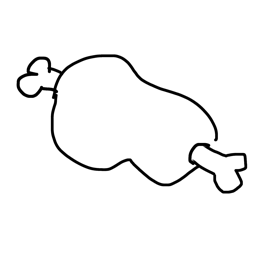
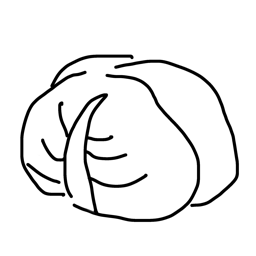
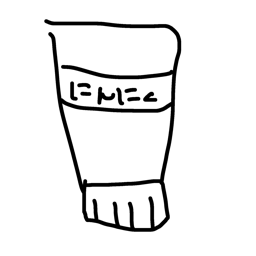
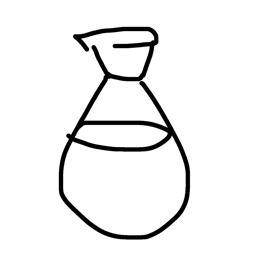
Language today is interpreted and consumed in countless ways, its structure a tangle of elements. When we use language to communicate, what path does our thinking actually take?
材料INGREDIENTS
意味Meaning
適量an appropriate amount
音Sound
意味と同じだけas much as the meaning
含意Implication
ひとかけone piece
配慮Consideration
少々a little
情動Emotion
少々a little
形式Form
人数分one per person
構文Syntax
ひとつone
付属語Function words
お好みto taste
経験・思想Experience / thought
咀嚼しやすい量でan easily digestible amount
手順METHOD
1
まず、単語を成形していきます。単語を構成する大きな要素として、その意味と音があります。
First, shape a word — in Japanese, especially an independent word. Its two largest components are meaning and sound.
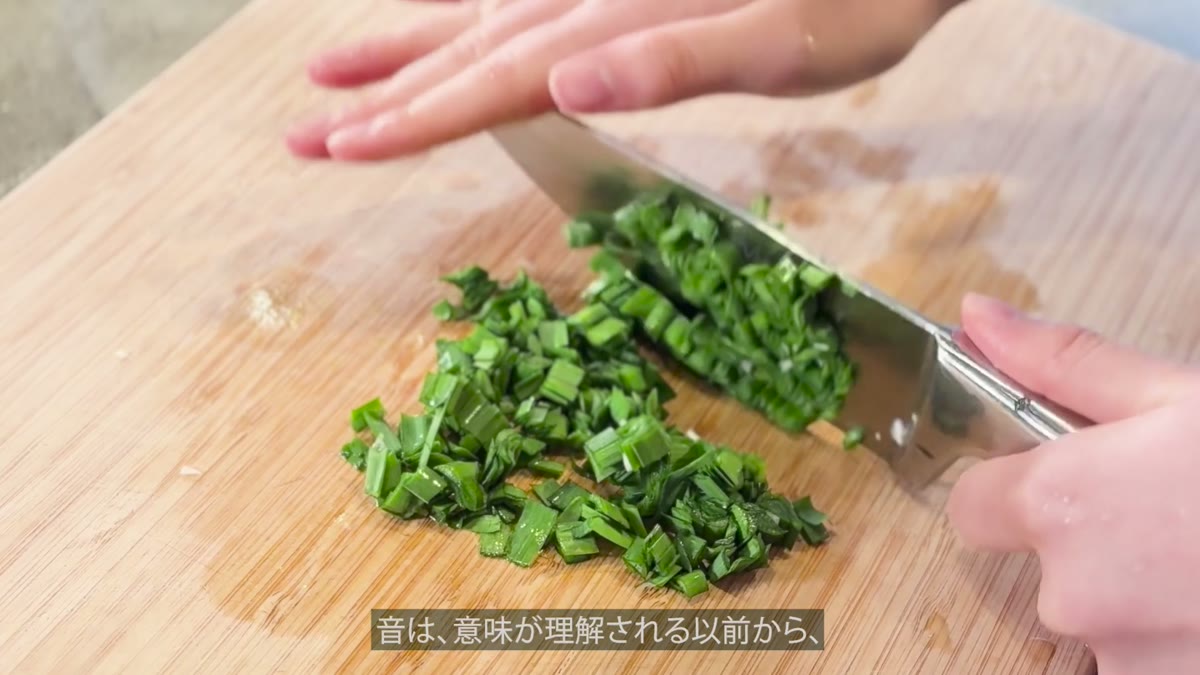
Sound forms an impression of a word before its meaning is understood. We naturally consider what a word means, but its sound has already reached the body first.
2
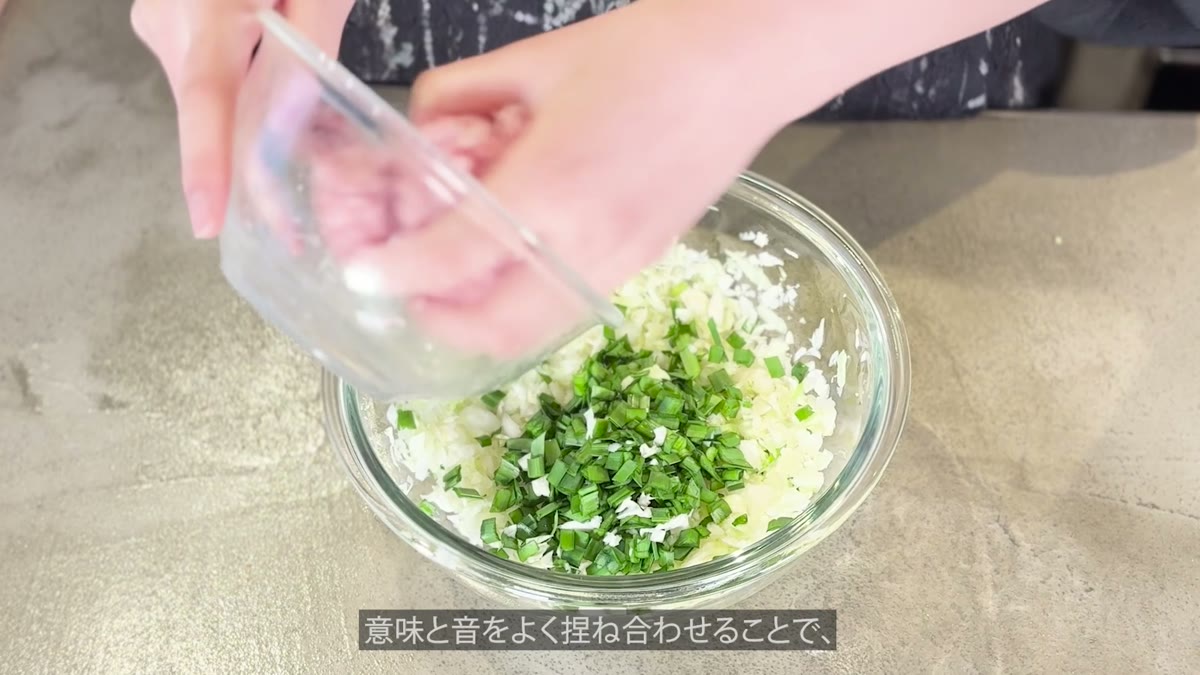
意味と音をよく捏ね合わせることで、「言葉のタネ」が出来ていきます。
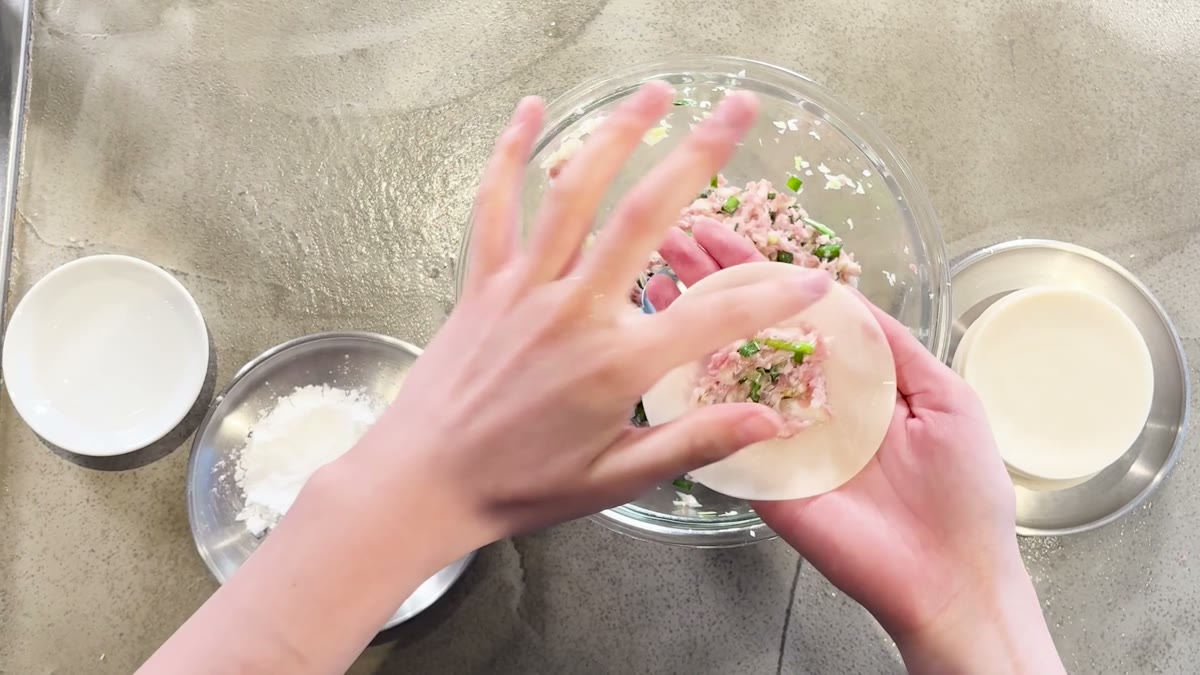
Knead meaning and sound together well, and the filling of a word begins to form.
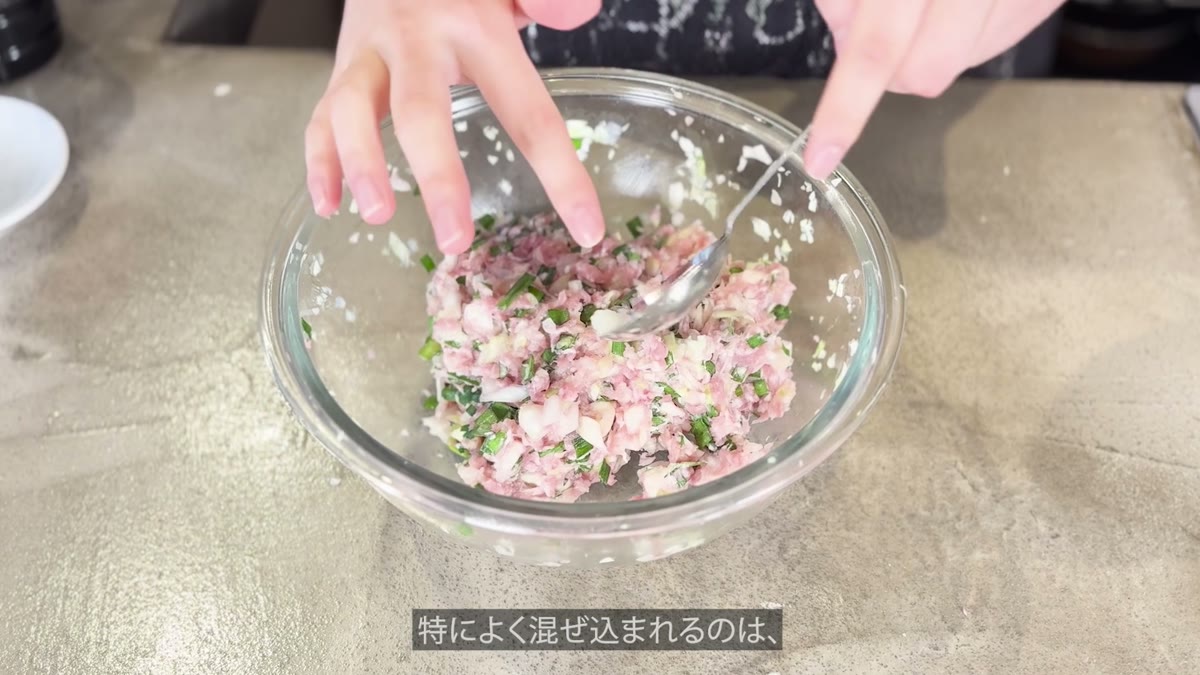
Other things go into the filling as well — most often, where you come from and who you are addressing. A word carries more than information. It also shares consideration for the listener and the speaker's own emotion.
Once the filling is ready, shape it into a word. To hold as language, it must take a form that its system allows us to say aloud. Wrap the meaning in form until it becomes a parcel whose contents can no longer be seen.
There is a limit to how much filling one word will hold. Put in too much, and it may come out a little misshapen.
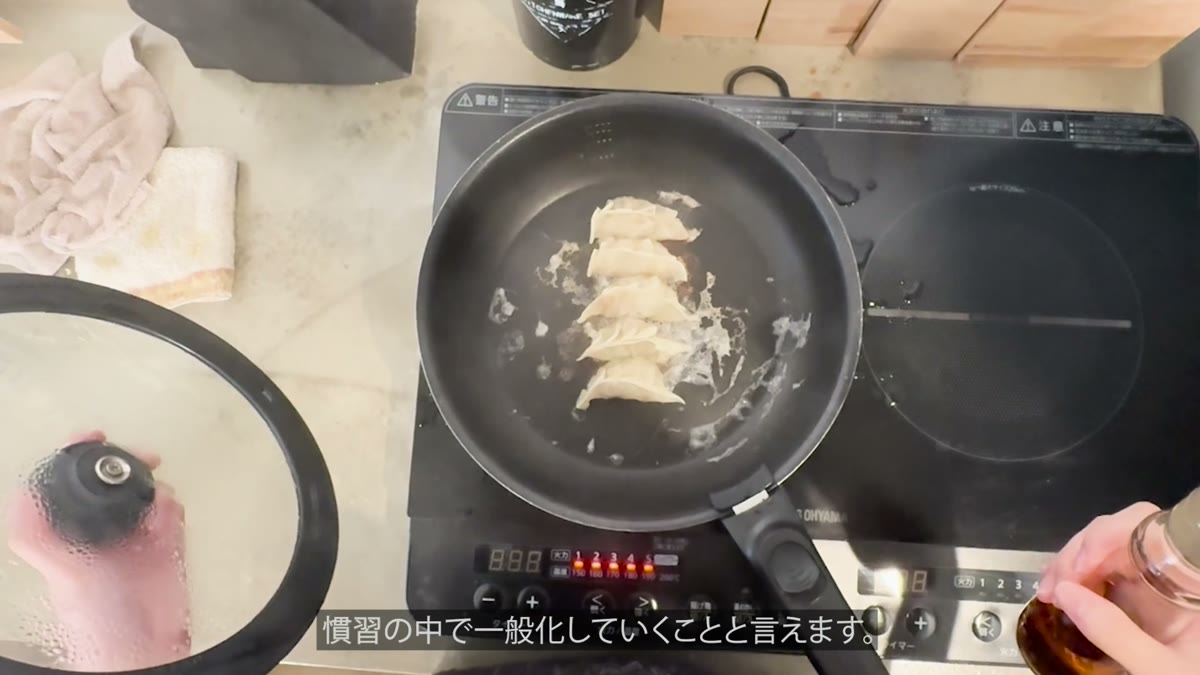
Once wrapped, lay the words out into a sentence, following the form the language gives us. In languages with particles and function words, this is where they go in.
A word is a mirror of the culture people brew together through contact. To put something into words is to generalize your own feeling and experience within a shared custom. We perform this irreversible process constantly, in the brief moments of a conversation.
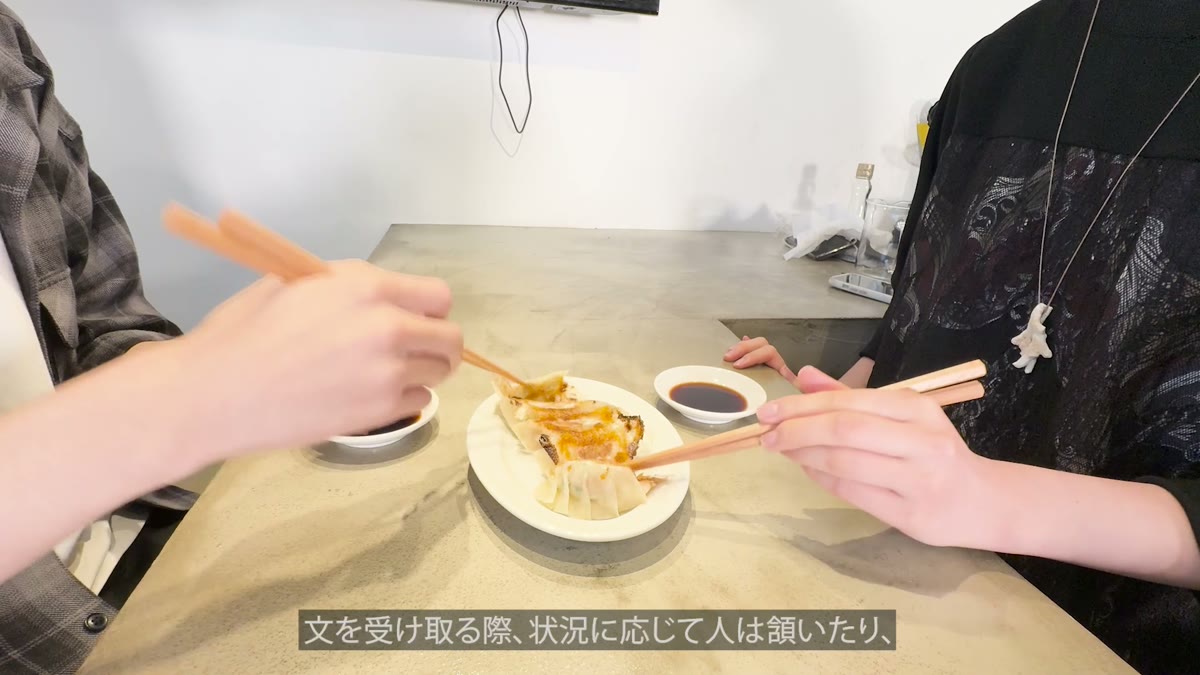
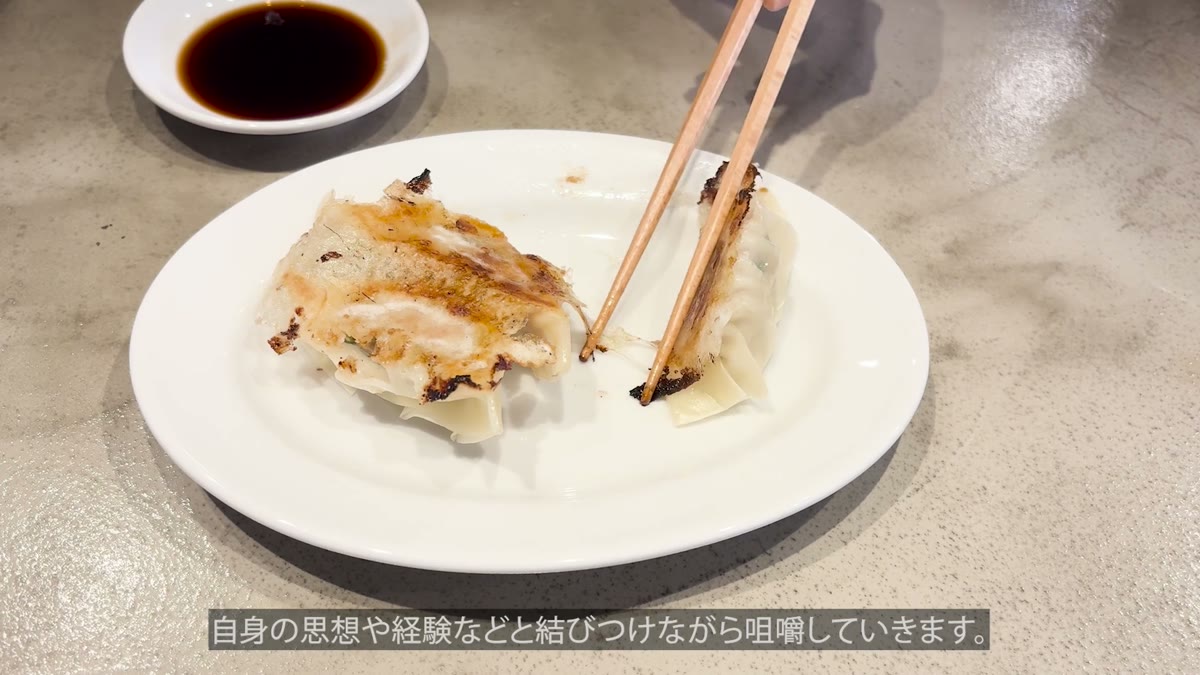
To care for words is to care for the dignity, rights and feelings of others. A word belongs to everyone while also being an irreplaceable reflection of each person's heart. We human beings are animals that speak words, and creatures that exchange hearts through them.
投稿者からのコメントFROM THE CONTRIBUTORS
岡嶋美柊Mifuyu Okajima
東京藝術大学美術学部絵画科油画専攻Oil Painting, Faculty of Fine Arts, Tokyo University of the Arts
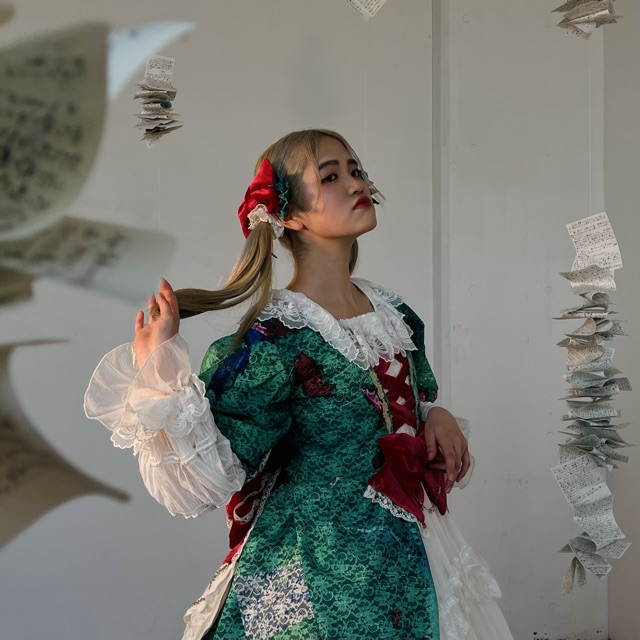
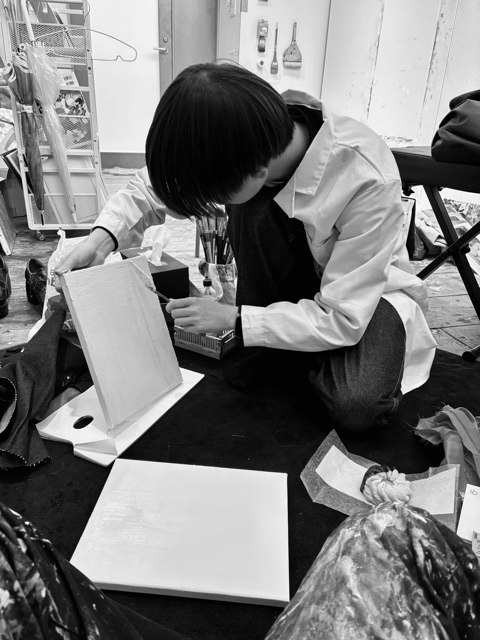
A few months ago, it suddenly occurred to me that words are rather like gyoza, so I made this work. The mental processing we do while speaking is extensive and complex enough to be written down as a recipe. Thank you for watching — we look forward to your review! 🥟